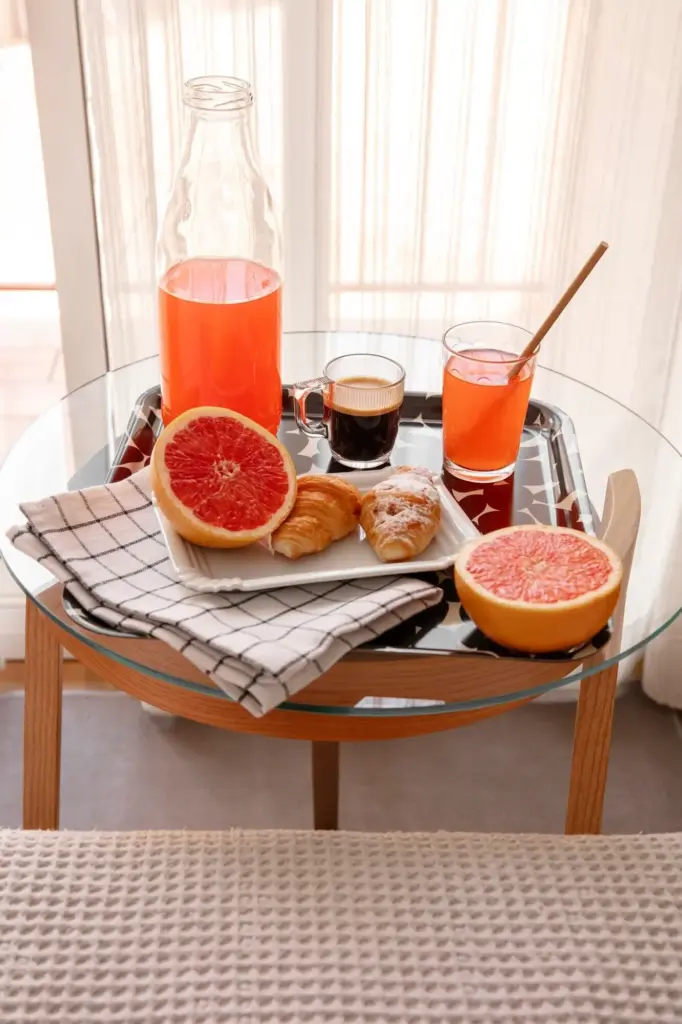
Smaller Plates, Smarter Portions

Discover how tiny changes at the table can unlock big momentum for health, energy, and confidence. Today we explore portion control made simple with small plate and utensil strategies, translating perceptual science into everyday habits that feel natural, delicious, and sustainable. Expect practical examples, playful experiments, and supportive guidance that help you serve just enough, savor every bite, and leave the table satisfied without second-guessing your choices.

How Size Tricks the Eyes

Our brains judge fullness by comparison, not absolute measurements, which is why a modest serving on a small plate appears generous while the same amount on a large plate seems meager. This visual illusion, supported by well-documented perceptual effects, quietly guides serving decisions. By understanding color contrast, rim width, and plate area, you can curate a table setting that supports wiser portions without willpower battles, making every meal feel abundant yet balanced.

The Delboeuf Effect at Dinner

When food sits in the center of a plate, the surrounding empty space can exaggerate or diminish how much we think is there. A smaller plate reduces the empty ring, making a reasonable serving look ample. Use this to your advantage when plating grains, pastas, and stews, then notice how your sense of “enough” shifts as the visual framing changes across different meals and lighting conditions.

Color Contrast and Plate Rims

High contrast between food and plate can sharpen attention to portion edges, helping you spot overserving. Plates with bold rims subtly anchor the eye, creating a visual boundary that encourages thoughtful scooping. White plates brighten greens and lean proteins, while matte finishes reduce glare that may mislead perception. Experiment with one change at a time, observe your servings for a week, and keep what feels effortless and effective for you.

Bowl Depth and Perceived Volume

Taller, narrow bowls can make small amounts look plentiful, especially with soups, yogurts, and grain bowls. Shallow, wide bowls often invite extra scoops because the surface looks bare. Try an eight- to nine-inch plate for mains and a modest, deeper bowl for sides. When mixing salads, use a big prep bowl, then serve into a smaller vessel, so the preparation feels generous but the final portion matches your goals comfortably.

Utensils That Nudge You Toward Balance
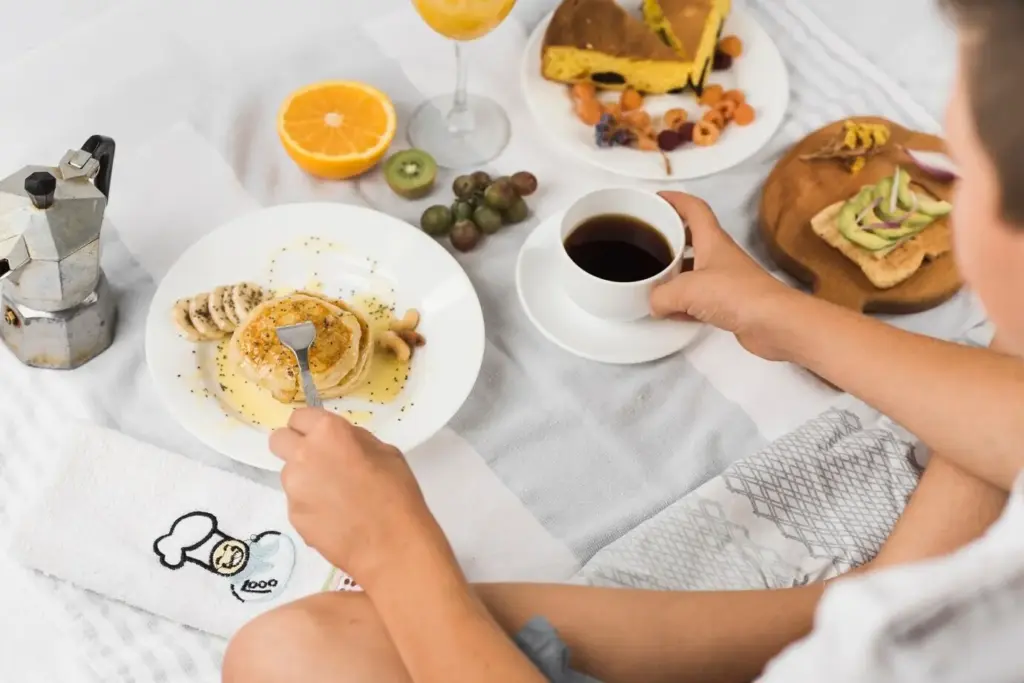
Utensil size and shape alter bite volume, chewing pace, and decision points between mouthfuls. Smaller forks, teaspoons, or chopsticks naturally slow you down, creating space for satiety signals to surface. Spoons with shorter handles promote mindful scoops, while dedicated serving tools help standardize portions. Think of utensils as gentle prompts, not rules—subtle design choices that invite a calmer rhythm, help flavors bloom, and reduce the impulse to rush or refill automatically.

Right-Size Plateware and Bowls

Choose plates in the eight- to nine-inch range for everyday meals and reserve larger platters for sharing. For soups and grains, use bowls around four hundred to five hundred milliliters, enough for satisfying servings without spillover. Keep a pair of smaller side plates available for breads, salads, and dessert pairings. Over time, these consistent boundaries turn portioning into muscle memory, easing effort while maintaining a sense of abundance and culinary pleasure.

Smart Serving Tools

Portion scoops, ladles with volume markings, and tongs for proteins create predictable serving sizes without constant measuring. Label a favorite scoop for rice, another for mashed potatoes, and a smaller ladle for dressings or sauces. During cooking, place serving tools with the pots they belong to. This small step reduces mental math at the table, keeping focused attention on conversation, flavor, and satiety rather than hurried guesses that inflate portions.

Prep-and-Portion Storage

Transfer cooked grains, proteins, and roasted vegetables into single-meal containers as soon as they cool. Transparent glass helps you see what is available at a glance, reducing impulse servings. Stack containers by meal type and date, and keep sauces in mini jars with small spoons clipped on. This system prevents accidental double scoops, encourages thoughtful plating, and streamlines busy weekdays without sacrificing variety, freshness, or the joy of a well-composed plate.

Plating Rituals That Guide Every Meal

Thoughtful sequences anchor reliable portions: start with vegetables, add lean protein, then fill remaining space with starches or grains. Serve water or unsweetened tea first, and pause before reaching for condiments. One plate at a time reduces mindless seconds, while small salad bowls help add volume without excess calories. Simple, repeatable moves create calm, confidence, and an inviting mealtime flow that honors appetite, flavor, and well-being together.

Veggies First, Colors Front and Center
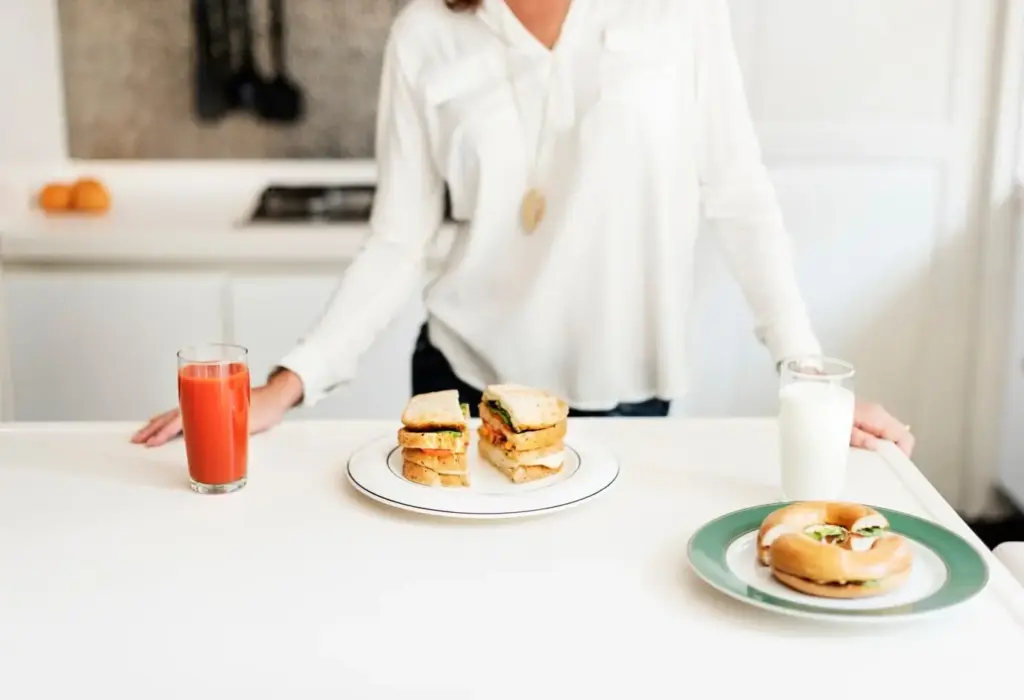
Place vegetables on the plate before anything else, allowing color and crunch to set the tone. A generous bed of greens, roasted carrots, or sautéed peppers frames the meal and defines portions for everything that follows. This ritual feels celebratory, not restrictive, because it highlights abundance. Rotate seasonal produce weekly, and ask family or friends to pick a new vegetable each weekend to build enthusiasm and playful variety around the table.

Protein Quarter, Grain Quarter

Imagine your plate divided in playful quarters: half for vegetables, one quarter for protein, one quarter for starches or grains. Use a smaller serving spoon for grains and a dedicated tong or spatula for protein to reinforce consistency. This visual guide requires no math, adapts to cuisines, and satisfies both flexibility and structure. If you prefer bowls, layer in the same order, letting greens and crunchy elements create volume without overserving denser ingredients.

Slow Down to Feel Satisfied

Put-Down Pause Between Bites

After each bite, place your utensil on the plate, breathe, and notice lingering flavors. This simple pause resets momentum, making overeating less likely while increasing enjoyment. If you share meals, let conversation serve as a natural metronome. When eating solo, try a gentle timer or a favorite playlist tempo. The goal is unhurried presence, not perfection, inviting satisfaction to arrive before the plate automatically empties out of habit.

Chew for Texture and Aroma

Chew more times than you think necessary, paying attention to texture shifts and aroma blooms. As flavors deepen, smaller portions feel more complete. This approach benefits hearty salads, roasted vegetables, and lean proteins that reward attention. Pair with fragrant herbs, citrus zest, or a splash of broth to heighten sensory detail. The body recognizes fullness earlier when your senses engage fully, gently aligning perceived appetite with genuine needs.

Screen-Free Meals, Stronger Signals

Screens steal attention from taste and satiety, encouraging automatic bites. Create a brief mealtime ritual: silence notifications, clear the table, and light a candle or open a window. These cues prime presence and help your brain register portion size effectively. If background entertainment is non-negotiable, pause it during the first five minutes to establish pace. Even tiny changes can recalibrate awareness and protect the satisfying edges of a thoughtfully portioned plate.

Confident Choices When Eating Out

Restaurants and gatherings often serve large portions by default, yet small adjustments return control without fuss. Ask for an appetizer plate, share mains, or box half before the first bite. Fill space with vegetables, sip water, and pace bites with conversation. Treat the bread plate like your anchor dish, transferring modest amounts from larger platters. These strategies maintain celebration and connection while keeping portions aligned with your goals and values.

Order with the Plate in Mind

Request an extra small plate when ordering, then portion your share immediately from family-style dishes. Visual boundaries replace guesswork and curb automatic refills. Prioritize sides of vegetables and lean proteins, and consider appetizers as mains when portions are generous. If sauces are rich, ask for them on the side and use a teaspoon. You will enjoy the same flavors, just paced and framed in a way that supports long-term well-being.

Social Events and Buffets

At buffets, walk the full line first, choosing favorites intentionally rather than loading the plate impulsively. Start with a salad plate to anchor volume, then add select proteins or signature dishes. Between passes, pause to check in with fullness. For parties, stand farther from snack tables and keep a small napkin or plate to minimize grazing. Offer to bring a colorful vegetable platter; it brightens the table and supports everyone’s balance.

Travel and Hotel Breakfasts

Use the smallest available plate for breakfast buffets, prioritizing fruit, yogurt, and eggs before breads and pastries. Add flavor with cinnamon, lemon, or a teaspoon of nut butter rather than large spreads. Carry a collapsible container for leftovers when cultural norms allow, or split entrees with a travel partner. Your goal is not perfection, but consistent, calm choices that respect local cuisine and your body’s comfortable boundaries.

Make It Stick: Habits, Tracking, and Community
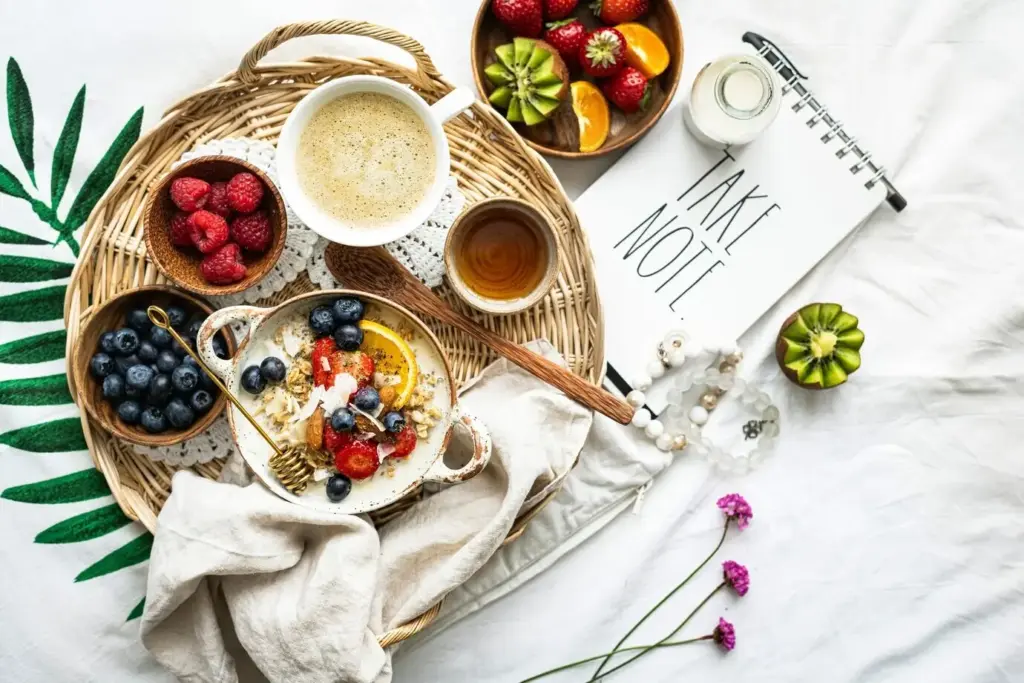
Lasting change grows from small, repeatable actions and supportive feedback. Anchor new routines to existing habits, track simple cues like plate size and utensil choice, and celebrate tiny wins. A photo log of plates builds awareness without calorie obsession. Invite family, friends, or coworkers to experiment with you and share discoveries. Progress compounds when curiosity leads the way, turning portion wisdom into a confident, enjoyable lifestyle you genuinely own.
Vufohukahumahepuvanahiro
Privacy Overview

This website uses cookies so that we can provide you with the best user experience possible. Cookie information is stored in your browser and performs functions such as recognising you when you return to our website and helping our team to understand which sections of the website you find most interesting and useful.