
Small Kitchen Changes, Big Wins at Every Meal

Welcome! Today we’re diving into kitchen and pantry tweaks that nudge better food choices—practical, science-backed adjustments you can apply in minutes. We’ll experiment with placement, visibility, and small defaults that change what you reach for first. Expect stories from real kitchens, evidence from behavioral design, and step-by-step ideas you can try tonight. Share photos of your setup, report back on wins or surprises, and subscribe for weekly experiments. Tiny rearrangements can quietly reshape habits, turning healthier eating into the easiest option every single day.

Make the Countertop a Decision-Free Zone

What sits on your counter steers every bite before you notice it. Curate a small, inviting stage: colorful fruit in a clear bowl, a water carafe with clean glasses, a cutting board and sharp knife ready to go. Reduce visual noise so your first glance suggests simple, nourishing actions. Behavioral studies show accessibility beats motivation; we’ll leverage that truth gently. Try one swap tonight, note what changes, and invite friends or family to vote on the most helpful arrangement.

01

Put Produce in the Spotlight

Move apples, citrus, or cherry tomatoes into a beautiful, open bowl centered on the counter. Wash, dry, and rotate frequently so the freshest options greet you first. Within a week, many people report grabbing fruit instinctively during task switches. Snap a before-and-after photo, tally how often the bowl empties, and share your results. Visibility turns intention into action without lectures, lists, or complicated rules.

02

Hydration That Invites a Sip

Place a chilled water carafe next to two clean glasses where you usually pause, like beside your coffee setup. Add lemon, cucumber, or mint for aroma that catches attention. This gentle cue helps replace automatic soda grabs and grazing. Track how many refills you do while cooking, and notice whether you snack less. Invite a partner or roommate to join the experiment and vote on favorite infusions.

03

Tools That Whisper “Cook Now”

Set a sturdy cutting board, sharp chef’s knife, and a small compost bin within effortless reach. This tiny mise en place makes rinsing greens or slicing peppers feel convenient instead of daunting. When the easiest action is a healthy action, dinner starts sooner and takeout loses appeal. Keep surfaces uncluttered so tools pop visually. Share your five-minute prep rituals with our community and compare what actually speeds you up.

Pantry Layout That Points to Better Choices First

Your pantry can act like a friendly guide, not a temptation trap. Reposition high-fiber grains, legumes, and unsweetened staples at eye level. Tuck sweets and ultra-processed snacks behind opaque bins or on higher shelves requiring a deliberate reach. Use labels that describe benefits, like “quick protein,” to reduce decision fatigue. Portion snacks into small containers to break automatic handfuls. Try our weekend reset checklist, then report which shifts most changed your weekday cravings and cooking momentum.

01

Prime Shelf Psychology

Place oats, brown rice, quinoa, canned beans, tuna, and tomatoes on the most visible middle shelf. Group them into ready-to-cook pairings, like chickpeas near spices and olive oil. By arranging for rapid meal assembly, you transform intention into a quick habit loop. People tend to choose whatever they see first, so let the healthiest options shout pleasantly. Track pantry-to-plate time and celebrate completed dinners with a quick note in your phone.

02

Clear Containers, Clear Intentions

Decant nuts, seeds, lentils, and whole-grain pasta into clear jars with bold labels. Transparent storage rewards you with a visual nudge and inventory awareness, reducing waste and shopping anxiety. Keep measurement scoops inside each jar to simplify portioning. Consider a color-coding system that highlights fiber-rich or protein-forward choices. Post a photo of your shelf makeover, and tag your favorite budget jar sources to help others begin.

03

Snack Stations That Default to Nourishing

Create one predictable snack zone filled with portioned trail mix, roasted chickpeas, whole-grain crackers, and dark chocolate squares. Keep sweet, salty, or novelty treats in a less convenient location, ideally behind a cabinet door. The goal is not restriction, but friction: a pause long enough to choose wisely. Rotate flavors weekly to prevent boredom. Invite your household to nominate two healthy additions and vote on the crowd-pleaser after seven days.

Fridge Flow That Serves Your Future Self

Design your refrigerator for tomorrow’s energy levels, not tonight’s optimism. Put washed greens, sliced veggies, hard-boiled eggs, and cooked grains at eye level. Store sauces and dressings in clear squeeze bottles to reduce prep friction. Reserve one bin for ready-to-eat items, labeled with a playful name that makes you smile. Data from meal-prep communities shows visibility multiplies usage. Try a Sunday twenty-minute reset, then share what actually got eaten versus forgotten.

Plates, Bowls, and Portions That Guide Without Lecturing

Smaller Plates, Bigger Satisfaction

Serve dinner on plates one size down from your usual. The same amount of food appears fuller, helping your brain register abundance. Pair with mindful bites and a short pause before seconds. Track whether fullness arrives sooner and energy feels steadier. This is not about scarcity; it’s about harmony between eyes and appetite. Share your experience and favorite plate size for cozy, satisfying meals.

Taller Glasses, Fewer Calories

Use tall, narrow glasses for juice or cocktails, and wide ones for water and sparkling water. Visual illusions help you pour less of sweet drinks without noticing a sacrifice. Place water glasses within easy reach to encourage refills. Add citrus slices for aroma and sparkle. Report your weekly beverage tally and which glass swap influenced it most. Invite guests to try blind pours and compare results for fun learning.

Color Contrast That Calms Over-Serving

Choose plates that contrast with your most common starches so portions are easier to see. White rice on white plates vanishes visually; contrast brings awareness without scolding. Add colorful veggies to enhance visual balance and appetite appeal. Photograph plates before eating to observe patterns gently. Over time, you’ll recalibrate instinctive serving sizes. Share your best color combinations that make meals look vibrant and satisfying.

Shopping Rhythms That Protect Your Space
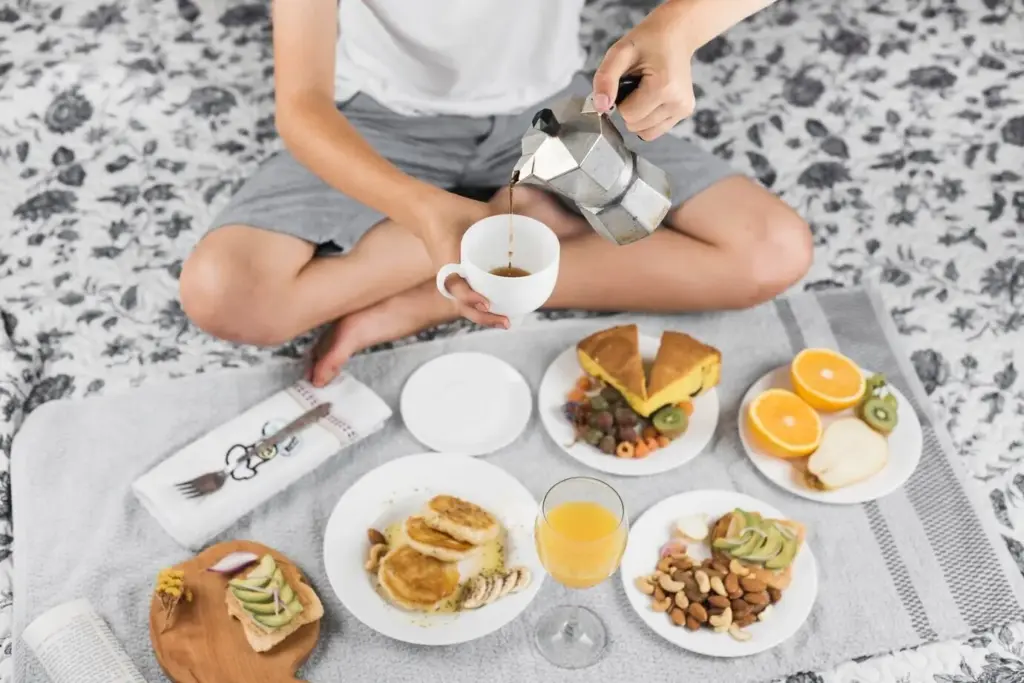
Great choices start in the cart. Design a reliable shopping loop: a standing list by zones, default substitutions for treats, and automatic delivery of staples that run out fastest. Shop after a balanced snack to avoid impulse buys. Keep a small backstock of essentials so last-minute hunger doesn’t push takeout. Track what spoils to refine quantities. Post your list template and favorite budget swaps so our community can iterate together.

Family-Friendly Nudges and Gentle Agreements
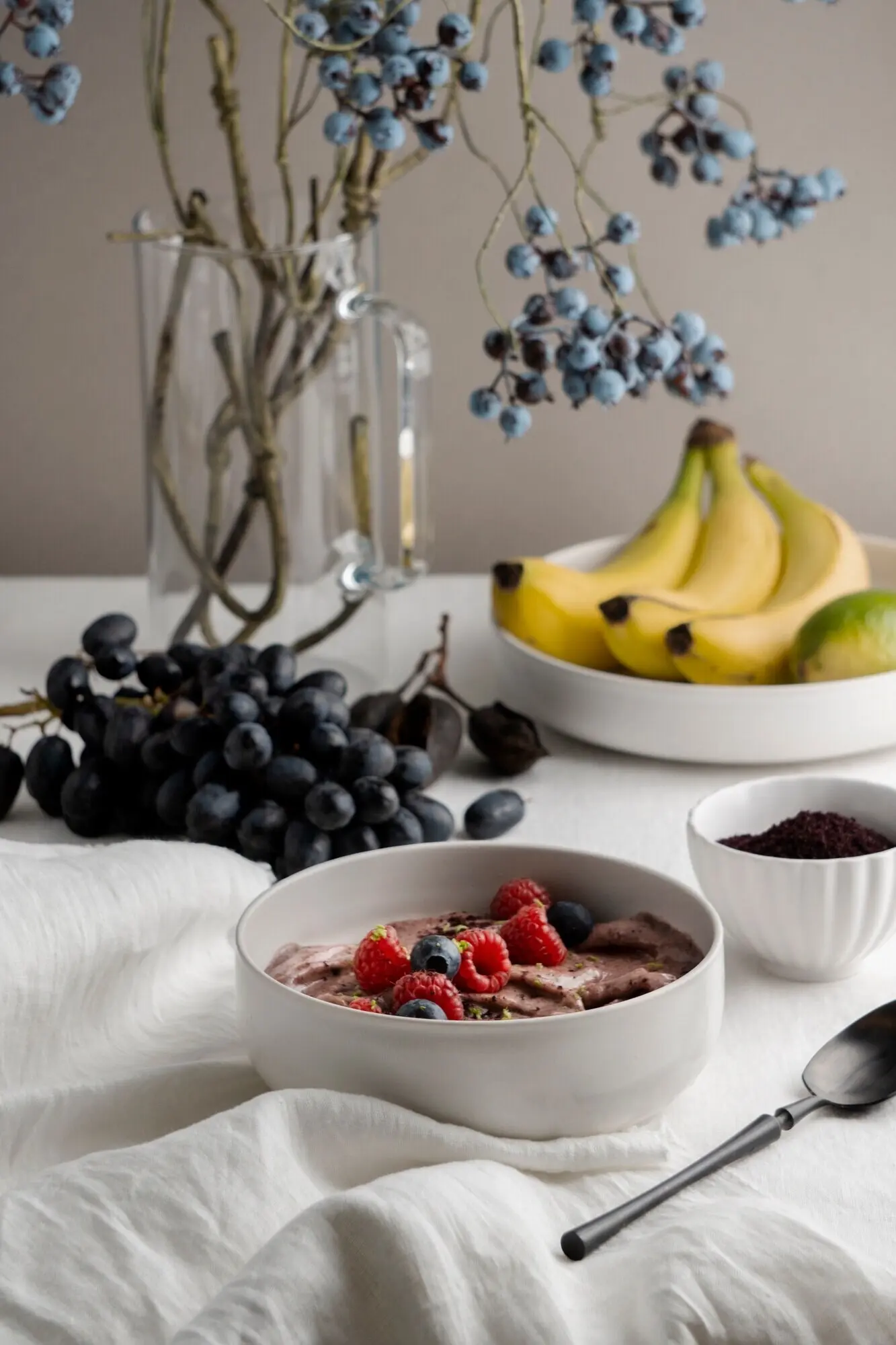
Shared kitchens thrive on collaboration, not friction. Create kid-level snack bins with fruit, yogurt, and whole-grain options they can choose independently. Use simple labels and playful names to spark curiosity. Agree on one drawer for treats so indulgences are intentional. Rotate fun taste tests to explore new produce and dips. Collect feedback during Sunday resets, then tweak placements together. Invite readers to share photos of their kid-friendly zones and most surprising household wins.
Place pre-washed grapes, baby carrots, cheese sticks, and mini hummus packs on a low fridge shelf. Add bright labels kids can read or icons they recognize. Freedom within boundaries builds confidence and reduces mealtime standoffs. Celebrate small wins, like packing their own snack. Ask children to help restock on weekends, turning chores into ownership. Share your child’s favorite pairing and how it changed after adjusting shelf height.
Use gentle cue cards on shelves, like “Quick Protein Here” or “Veggies for Wraps,” to guide rushed moments without nagging. Household agreements about treat locations and weeknight routines reduce debates. Rotate messages so they stay playful. Keep a whiteboard for meal ideas everyone contributes to. Over time, shared signals become habits. Post your funniest label and the helpful routine it inspired, encouraging others to personalize language that works.
For birthdays or game nights, build a board with fruit, nuts, dark chocolate, and a small portion of beloved sweets. Pair with sparkling water mocktails in fancy glasses to elevate the moment. Joy stays front-and-center while balance remains intact. Store leftovers in opaque containers to reduce late-night grazing. Share your event board layout and drink recipes so our community collects party-ready, feel-good templates.
Vufohukahumahepuvanahiro
Privacy Overview

This website uses cookies so that we can provide you with the best user experience possible. Cookie information is stored in your browser and performs functions such as recognising you when you return to our website and helping our team to understand which sections of the website you find most interesting and useful.