
Smaller Plates, Smarter Portions
How Size Tricks the Eyes
The Delboeuf Effect at Dinner
When food sits in the center of a plate, the surrounding empty space can exaggerate or diminish how much we think is there. A smaller plate reduces the empty ring, making a reasonable serving look ample. Use this to your advantage when plating grains, pastas, and stews, then notice how your sense of “enough” shifts as the visual framing changes across different meals and lighting conditions.
Color Contrast and Plate Rims
High contrast between food and plate can sharpen attention to portion edges, helping you spot overserving. Plates with bold rims subtly anchor the eye, creating a visual boundary that encourages thoughtful scooping. White plates brighten greens and lean proteins, while matte finishes reduce glare that may mislead perception. Experiment with one change at a time, observe your servings for a week, and keep what feels effortless and effective for you.
Bowl Depth and Perceived Volume
Taller, narrow bowls can make small amounts look plentiful, especially with soups, yogurts, and grain bowls. Shallow, wide bowls often invite extra scoops because the surface looks bare. Try an eight- to nine-inch plate for mains and a modest, deeper bowl for sides. When mixing salads, use a big prep bowl, then serve into a smaller vessel, so the preparation feels generous but the final portion matches your goals comfortably.

Utensils That Nudge You Toward Balance

Right-Size Plateware and Bowls

Smart Serving Tools

Prep-and-Portion Storage
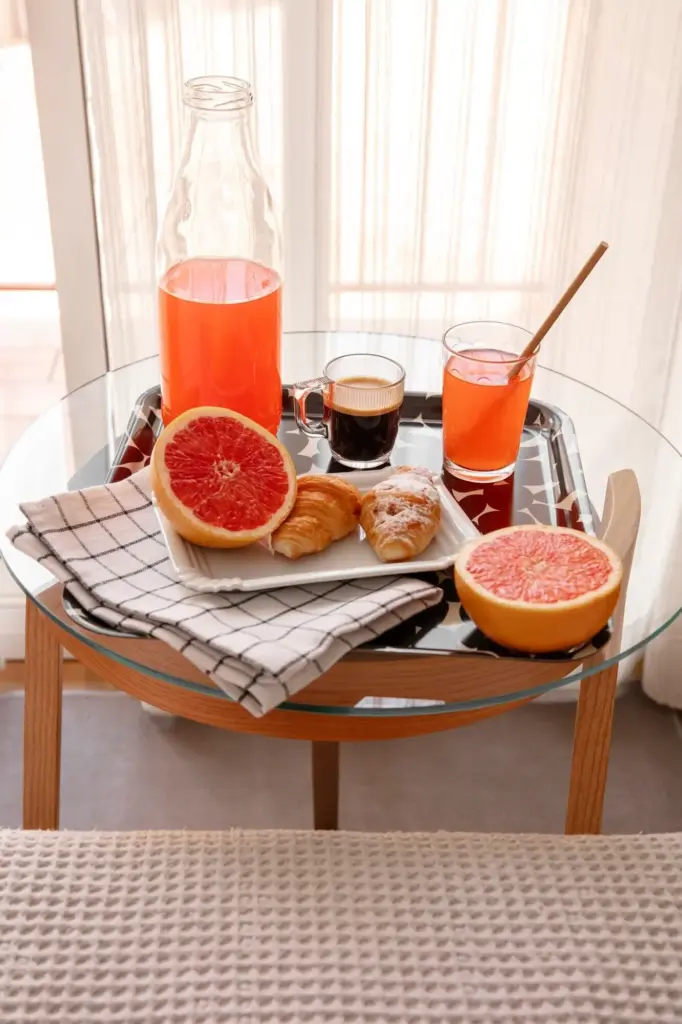
Plating Rituals That Guide Every Meal
Veggies First, Colors Front and Center
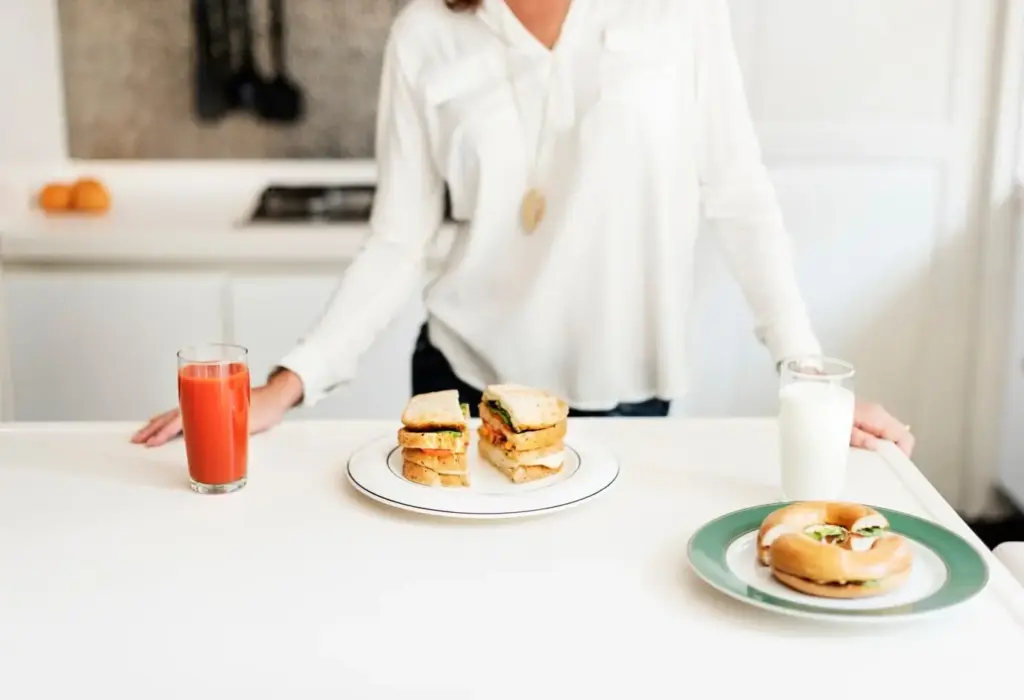
Protein Quarter, Grain Quarter
Slow Down to Feel Satisfied

Put-Down Pause Between Bites
Chew for Texture and Aroma
Screen-Free Meals, Stronger Signals
Confident Choices When Eating Out
Order with the Plate in Mind
Social Events and Buffets
Travel and Hotel Breakfasts
Make It Stick: Habits, Tracking, and Community
All Rights Reserved.